As a plastic surgeon, we understand that hair fall can be a distressing experience, affecting not only one's appearance but also their self-confidence.
While there are various treatments available to address hair loss, hair transplantation has emerged as a popular and effective solution.
We emphasize on understanding the cause of hairfall and treat the hair loss with a patient oriented approach
.
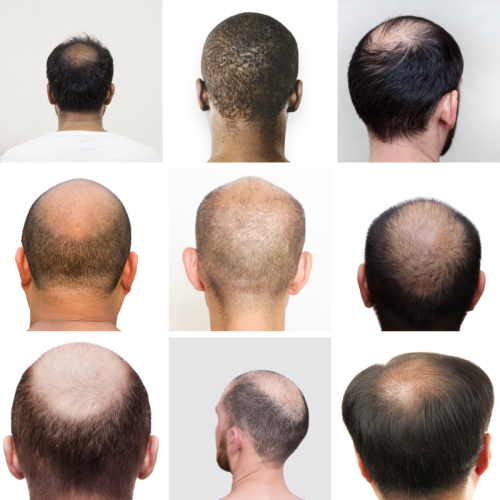
Hair fall can be attributed to various factors, including genetics, hormonal imbalances, stress, and certain medical conditions.
Male and female pattern baldness, also known as androgenetic alopecia, is the most common cause of hair loss.
While hair transplantation is a surgical solution, there are several non-surgical treatments that can help address hair loss. These include:
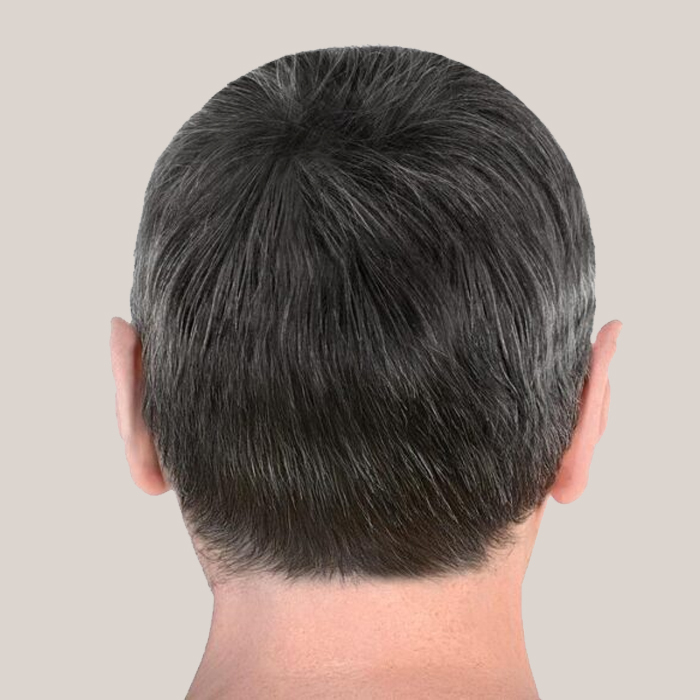
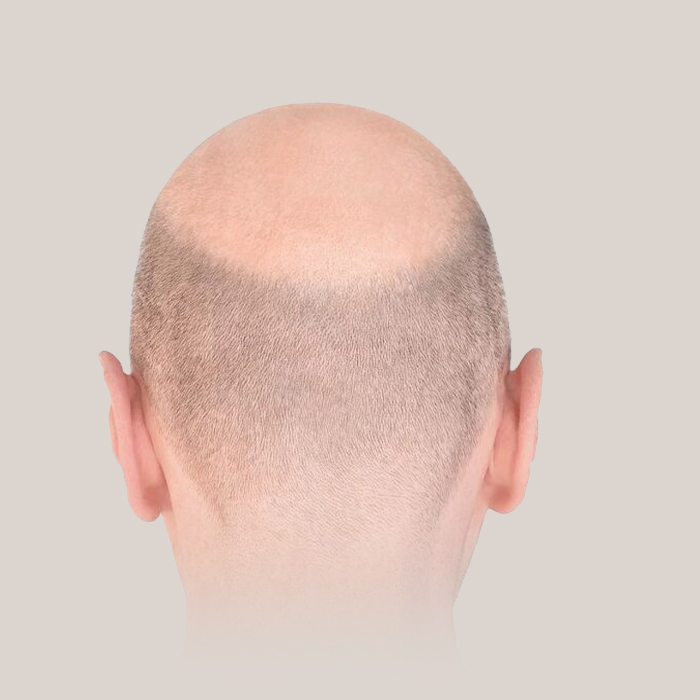
Hair transplantation is a surgical procedure that involves moving hair follicles from one part of the body to another. In most cases, hair follicles are harvested from the back and sides of the head, which are resistant to balding. These follicles are then transplanted to the balding areas of the scalp.
There are several techniques used in hair transplantation, each with its own advantages and disadvantages. Some of the most common techniques include:
This technique involves removing a strip of hair-bearing skin from the back of the head, which is then dissected into individual follicular units. These units are then transplanted to the balding areas of the scalp.
FUE involves extracting individual follicular units directly from the donor area using a specialized tool. This technique is less invasive than strip harvesting and leaves minimal scarring.
DHI is a variation of FUE that uses a specialized tool to extract and implant hair follicles in a single step. This technique allows for more precise control over the angle and direction of the transplanted hairs.
Robotic hair restoration uses advanced technology to assist with the extraction and implantation of hair follicles. This technique can improve the accuracy and speed of the procedure.
While hair transplantation is a surgical solution, there are several non-surgical treatments that can help address hair loss. These include: